It’s hard to learn the truth about what ships are or aren’t passing through the Strait of Hormuz. Both sides have told so many blatant lies; it’s difficult to believe anything.
Let’s start with the Chinese-owned tanker Rich Starry. According to the Times of India, “The Rich Starry resumed its outbound voyage overnight and sailed out of the Strait on Tuesday. The vessel had initially appeared to abort its passage on Monday.”
However, LogisticsMiddleEast.com. reported “Shipping data shows the sanctioned tanker Rich Starry, which exited the strait yesterday, was forced to turn around and re-entered Iranian waters on Wednesday.”
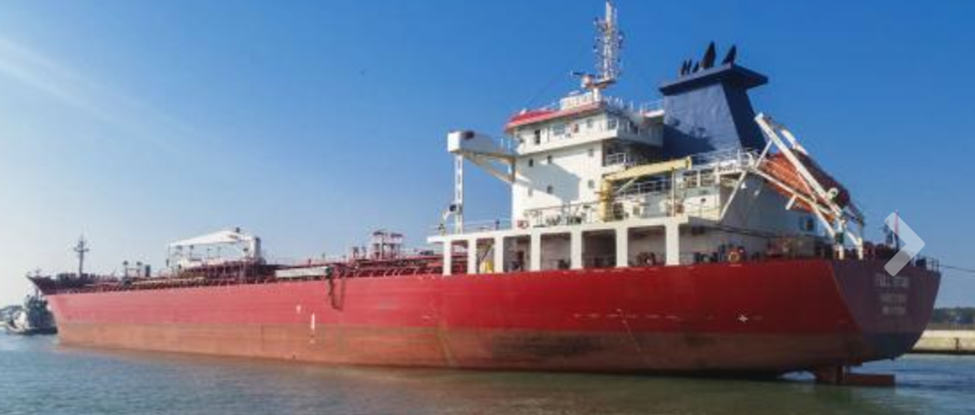
Rich Starry? (www.vesselfinder.com/ship-photos/248407)
There are varying reports of how many ships have passed through the strait, ranging from 0 to 20 ships.
The BBC reports, “Four vessels with links to Iran have crossed the Strait of Hormuz despite the start of a US naval blockade, according to ship-tracking data.”
What is really going on? Here are a couple of observations and questions:
- The Rich Starry was a Chinese-owned ship. Would the US attack a Chinese ship? That would risk Chinese retaliation, not Iranian, and possibly start WWIII.
- Even non-Chinese tankers are probably filled with oil bound for China. This oil has been bought and paid for by China. China would not like to see 100 million dollars of oil, which they own, destroyed or pirated. This again raises the specter of Chinese retaliation.
- What about other, neutral, ships? So far, there are no reports of Iranian attacks or threats, but such actions are sure to come. Iran would probably not hesitate to attack a Saudi or Kuwaiti tanker. The total number of ships passing the strait is reported as 45 since the ceasefire (Al Jazeera), still a far cry from the 100 or so ships per day before the war.
- American naval forces are actually hundreds of kilometers away from the actual strait. It would be difficult or at least time-consuming for them to attack vessels near Iranian ports. On the other hand, Iranian drones, missiles, and speedboats are stationed on the banks only a few kilometers away. They could attack a ship in seconds.
- One should not lose sight of the fact that the mere threat of attacks is enough to force a ship carrying 100 million dollars in oil to decide against running the gauntlet of the strait. The risk is too great. That’s why it’s easy to block the strait.
The next step may be the blocking of the Bab-el-Mandeb on the Red Sea. That would cut off another 12% of the world’s oil supply. Blockage has already been threatened by the Houthis in Yemen, who are considered allies, if not proxies, of Iran.
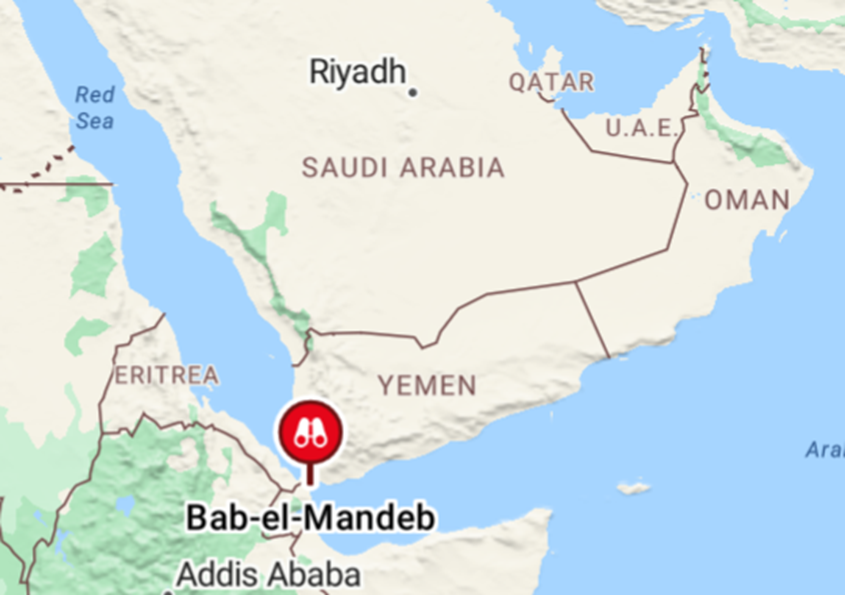
If both the Bab-el-Mandeb and the Hormuz Strait were blocked,
the world economy would be in real trouble.
(Note that I have not quoted any U.S. sources, especially the government’s CENTCOM reports, which are notoriously fabrications.)