First, I’m always amazed that the ‘pro-life’ group is virtually the same group that supports the death penalty. Huh?
When I was in high school, we had debates over the death penalty. The argument for the penalty always boiled down to ‘deterrence’. If potential murderers know that they will be put to death if caught, they may think twice before killing someone.
I don’t think that the deterrence argument is valid in practice. A potential murderer doesn’t think he will be caught and executed. For this and other reasons I am strongly against the death penalty.
However, if you give the ‘deterrence’ folks their due, it seems to me that any executions should be public. It makes no sense as a deterrent to kill a criminal in secret. The public has got to see with their own eyes the consequences of killing someone. I’m sure that a lot of people will attack me as barbaric for supporting public executions, but so be it.
Hegseth wants not only a public execution, but death by firing squad. Why not have an execution by lethal injection, where the murderer simply falls asleep into death? A firing squad seems a bit barbaric to me.
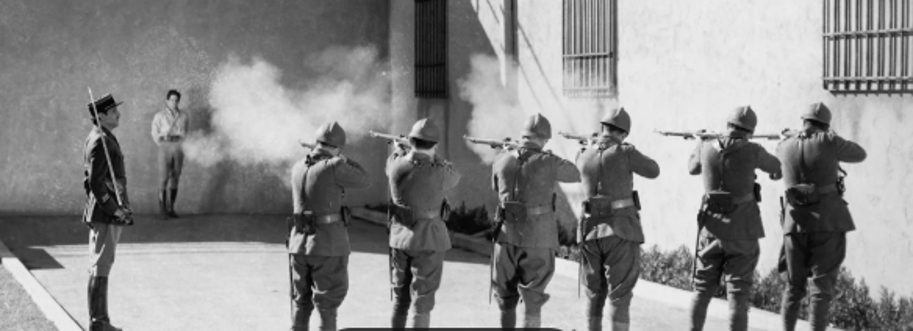
Cruel or unusual punishment?
I have always questioned that word ‘unusual’. If ALL criminals were shot by firing squads, that punishment would be almost daily and far from ‘unusual’. I think the framers of the Constitution goofed on that one.
Is a firing squad cruel? Perhaps. It could at least be gory, if blood flowed from the gunshot wounds. If the marksmen were not too accurate, it might take the criminal some time to die in agony. Therefore, a firing squad is potentially cruel, so I would vote against that. Again, lethal injection seems the humane way to go.
On the other hand, a public execution should have spectator appeal. Lethal injection clearly does not. Other methods like hanging or electrocution, or even the guillotine are pretty barbaric and cruel. Maybe a well-trained firing squad would cause instant death, and would therefore be humane but still entertaining to spectators.
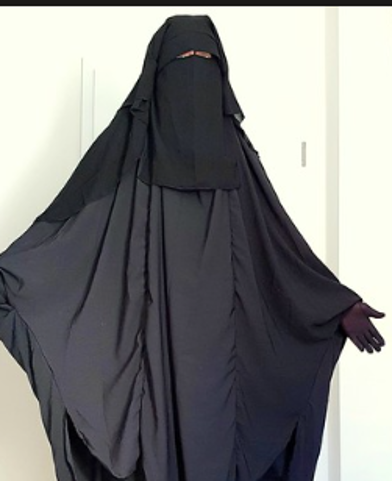
Politically, the death penalty is highly discriminatory against poor people and minorities. That is another reason that I oppose the death penalty. Public executions would make the process even more political and discriminatory, as public authorities must decide which executions of which kinds of people carries their political message. Already, it looks as though the current criminal up for execution is a Moslem. That is already a political statement. I doubt whether a white Christian would be publicly executed.
In sum, I am strongly against the death penalty but IF it is permitted, in order to have a deterrence effect, it should be public. The only question then would be what is the most ‘humane’ but still deterrent form of the death penalty.
The above discussion is far from what I’m hearing in the media today.