I first moved to the Sahel in Bornu, northern Nigeria, in 1977. The population of Nigeria was 67 million. In the Sahel, life was hard, as there were not enough resources to support the population. Most villages had no electricity or clean water in the 43-degree heat and drought. Women walked several kilometers in the heat to the nearest well, to lug buckets back to the village for the family. In years of good rain and crops, people moved onto marginal lands for a couple of years, but in the dry years, they had nothing to eat. I saw desertification spreading south. At the time, economists were wringing their hands over the increasing population, with dire predictions of future starvation.
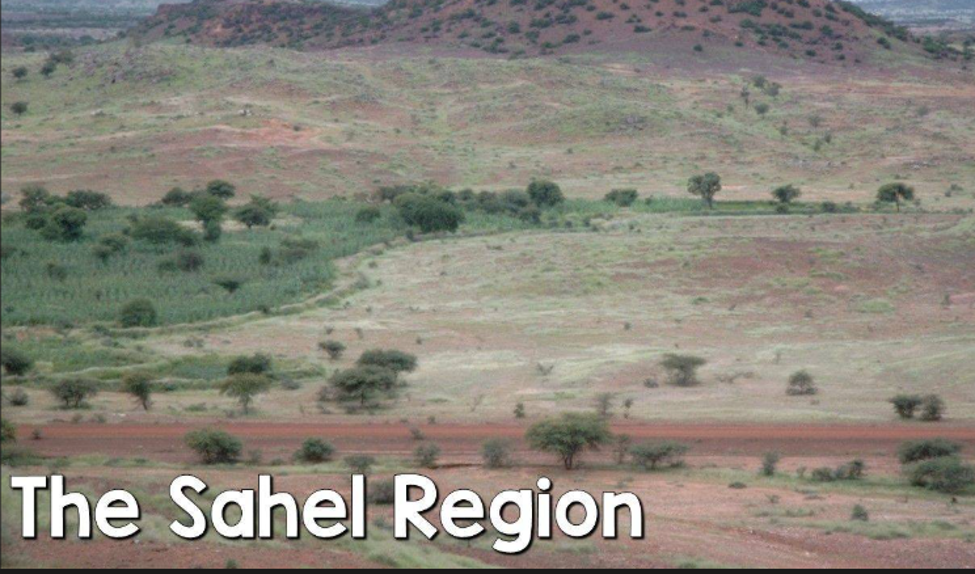
Now here we are in 2026, almost half a century later. The population of Nigeria is now 242 million, over triple the 1977 figure. Where are all those people living these days? Bornu must be a living hell, like all the countries across the African Sahel. It seems like Malthus’ gloomy predictions are coming true.
In Bornu and across the Sahel, there are herder tribes like the Fulani who need free range for their cattle. They are clashing with sedentary farmers who fence off their land to grow food. Tribal hatreds and wars are the result.
Economists back in 1977 predicted wars over land and other scarce resources. Indeed, that has come to pass in Bornu, with the Boko Haram abducting schoolgirls and creating havoc. Wars are occurring all across the African Sahel – Mali, Burkino Fasso, Sudan.
These wars are creating a humanitarian crisis of gigantic proportions, as millions of displaced people are at risk of starvation, and as roving tribal armies massacre them.
Every day, I see ads on Facebook and elsewhere asking donors for food aid to the starving children in Sudan or Somalia. I have been seeing versions of the same ads for the past 50 years. The situation never changes, or rather, it gets worse as the population triples. Governments in those countries are of little help; indeed, they are usually part of the problem.
Over the past 50 years, I have developed compassion fatigue. I know that no matter how much food aid is sent to the Sahel, more and more will be required for the next 50 years, as populations spin out of control, deserts expand, and tribal wars over scarce resources increase.