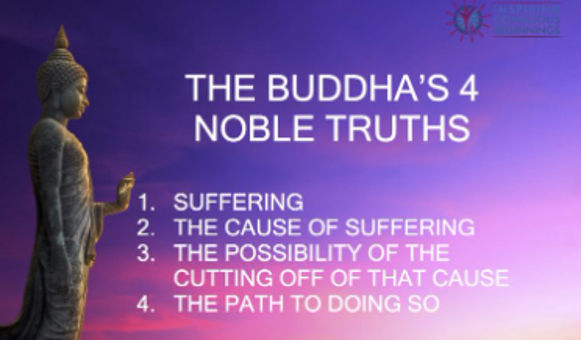
The essence of Buddhism is renunciation as the avoidance of suffering. While the renunciation of food and health causes too much suffering, it is possible to thread a ‘middle way’, the key to which is not to become attached to anything. After all, the Buddha was a prince, brought up in a luxurious life with a wife and young son, but he escaped all that, became a monk, and spent the rest of his long life as an unattached, itinerant preacher.
The Buddha refused to fall in love or have more children, because that would be attachment, which could be broken and cause suffering. You could almost conclude that he thought love was a bad thing, to be avoided.
I have experienced love and children. They provided me with great joy, even though previous attachments have caused me great anguish at their loss. In the end, however, I started over again, and again I achieved love in marriage and children. I feel that it was all worth the risk of loss.
I spent the first 50 years of my life a bachelor, free to roam the world and experience all sorts of amazing adventures. You could say that I followed a Buddhist philosophy, moving from place to place and avoiding attachments.
When I finally married, I experienced a kind of happiness that I had not felt previously. I became attached to my wife and offspring. How un-Buddhist! That makes my whole life worthwhile, while I risk the suffering that their loss might bring me.
Every year on the Pchum Ben holiday, I go with my wife to her rural family reunion. It is always an enlightening experience for me, as I witness the generations of the family moving through their lives: infants, children, adolescents, adults, middle age, and old age. It’s a bit depressing, seeing some beautiful young girls, and simultaneously seeing the old, decrepit women they will become. Is their whole purpose in life just to grow up, procreate, and finally fade away?
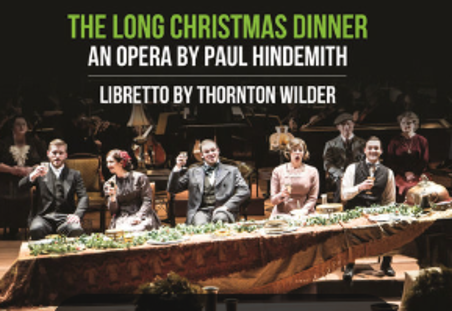
This empty feeling is captured in an opera by Paul Hindemith, called ‘The Long Christmas Dinner.’ Characters enter as young people from one side and chat at the Christmas table. Throughout the opera, they secretly apply make-up, like gray hair, to become old people, and then they quietly slip out the other side, as the dinner conversations go on.
No, I believe that those who find happiness do so through love. They don’t run away to live in the forest or a cave, just to avoid the suffering of loss. They engage with the risk. I see happy people in the village, secure in the love of their extended family. When I go to my wife’s village, I’m always impressed by their joy in the company of their loved ones.
This un-Buddhist notion is expressed in the old Barbara Streisand song, “People who need people are the luckiest people in the world.”
Love and joy are emotions that the Buddha intentionally avoided; but without love, life is empty and meaningless. What, then, was the purpose of his life, just to float from birth to death avoiding attachments?