Since the beginning of the Iran war, pundits have been criticizing Trump for not having a plan or an objective. He changes his tune every day. Many websites claim that Trump has lost the war and doesn’t know what he’s doing.
I claim that Trump had clear objectives, and that he is achieving them big time.
Trump’s frequent Iran policy reversals are followed by big market swings, and in every case someone is placing huge bets on oil prices and stock markets just before the market opens. Some inside-traders are thereby making billions of dollars.
At the same time, the prolongation of the Hormuz blockage is driving oil prices higher, and oil billionaires are making huge profits. American oil producers still have the same production costs, but the retail prices have risen drastically, providing enormous profits.
Also at the same time, Hegseth is asking Congress for billions more in war spending. Trump’s GOP Congress will bitch a bit, but will eventually cave in to the demands. There will be lucrative contracts awarded to Trump family members and cronies. This has already been happening with, for example, contracts for making drones.
This was his plan for Venezuela. Maduro may be out, but not his régime. Venezuela now sells oil, and the money goes into a Trump-controlled, non-governmental bank account in Qatar. Big American oil companies allied with Trump are now going in to control the production of oil.
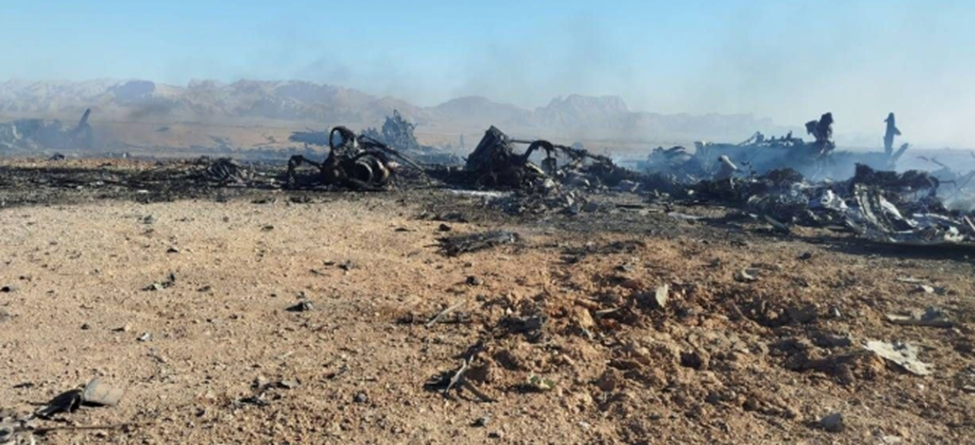
These grifting activities, seemingly more blatant and outrageous every day, are convincing me that this was Trump’s plan for Iran all along. Killing schoolgirls, destroying infrastructure, bombing thousands of innocent Iranians, losing American soldiers, raising prices for Americans, all count for nothing, as long as Trump and his billionaires are enriched.
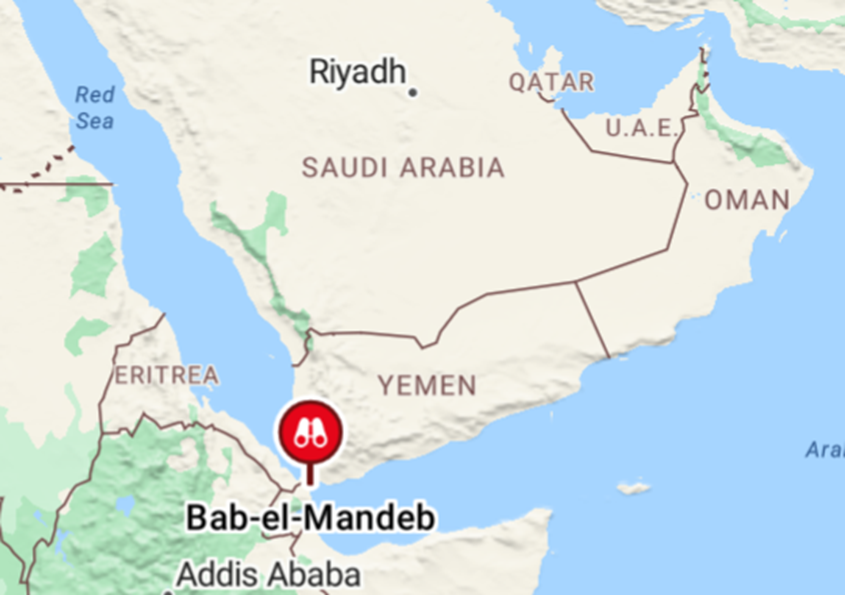
What does my hypothesis hold for the future? The longer those oil prices go higher, the more billions in profits go to Trump/Oil & Co. Expect the Strait to remain closed for a long time. Maybe Iran can also get the Houthis to close the Bab-el-Mandeb.
On the other hand, Trump will continue to oscillate between ‘peace-on-the-horizon’ one day before the markets open, and ‘bomb-them-into-the-stone-age’ the next day. That way, he can continue to make a killing from insider trading. One danger with that approach is that the markets have already figured out TACO and may take him less and less seriously. Judging from the past two days, however, the market manipulation appears to be in full swing.